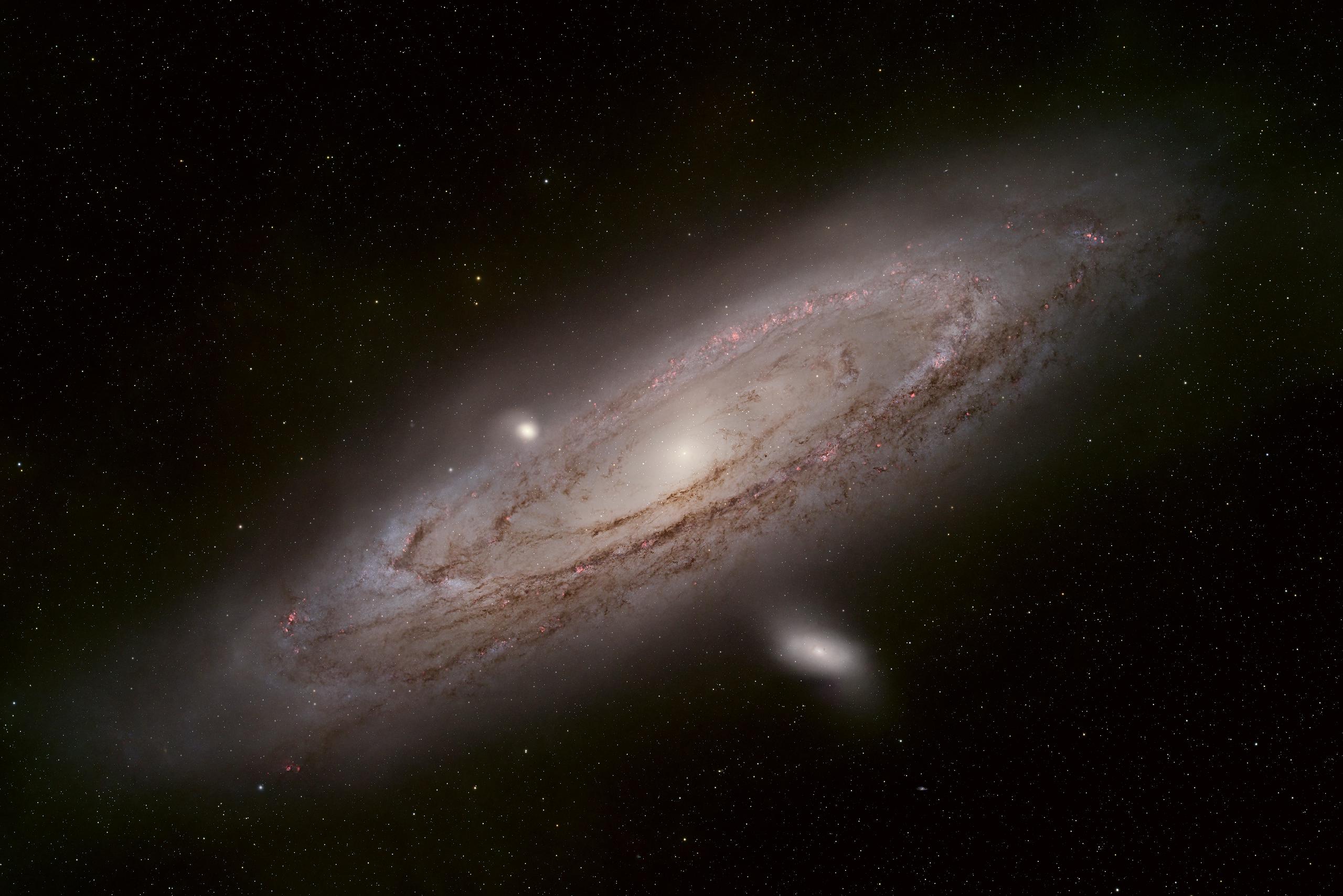
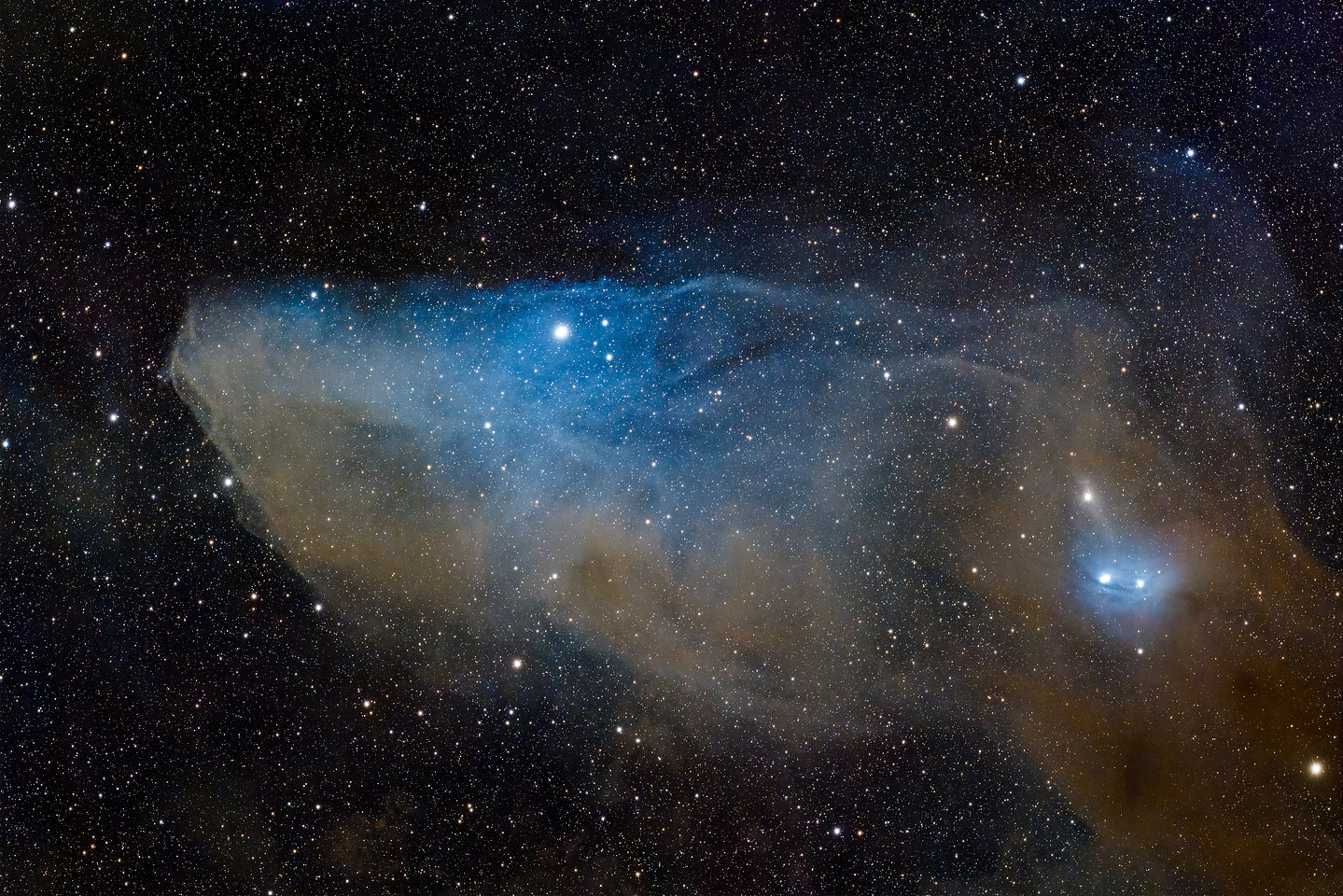
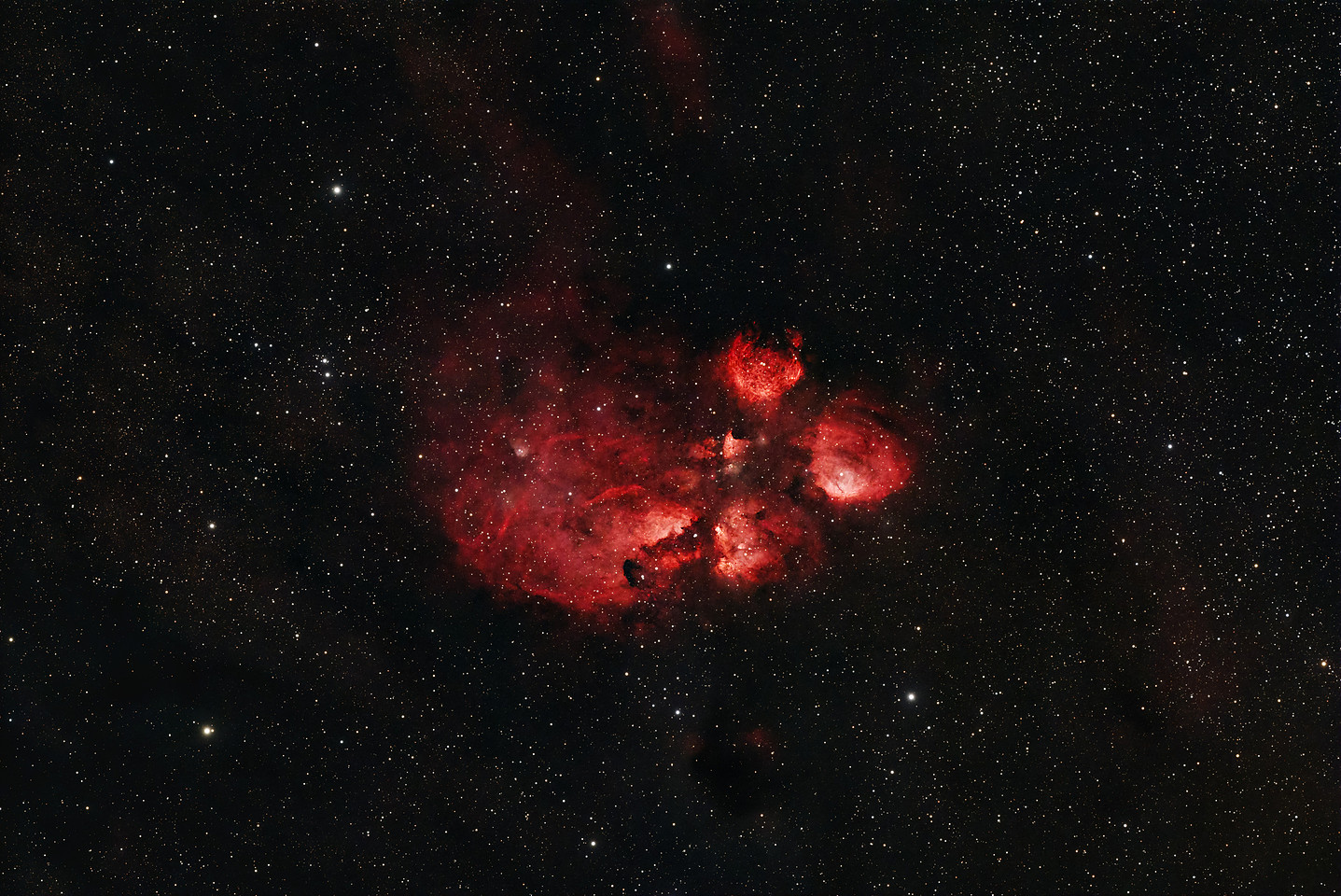
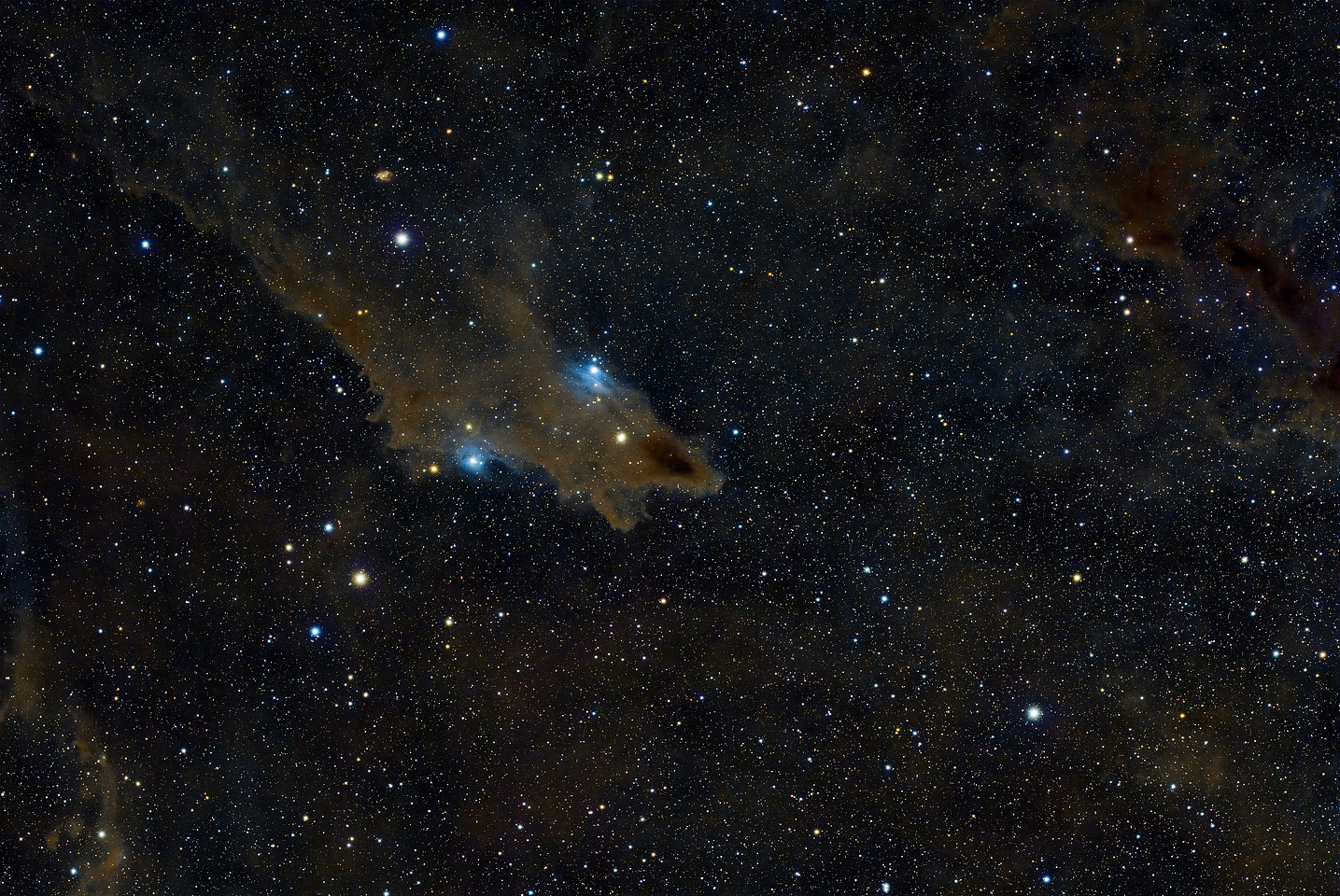
Peter Zelinka turned a DSLR purchase in 2014 into a full-time career in astrophotography and nightscape instruction, documenting his transformation from IT technician to road-trip adventurer and then to instructor of thousands through his Deep Space Course and online tutorials. His teaching emphasizes clear workflows—from gear selection and star tracking to post-processing—and his field workshops take participants to remote dark-sky sites for immersive experience. Through his adventure-driven background and educational outreach, he inspires both newcomers and seasoned imagers to explore the cosmos confidently and creatively.
Astrophotographer & Nature Photographer
Workshop Leader & Educator (“Deep Space Course”, Star Tracker Tutorials)
Expedition Instructor & Content Creator
William Optics SpaceCat 61mm Review
Over the past 5 years I've been using the SpaceCat 51mm telescope for most of my deep space imagery. The wide field of view allows me to capture large regions of space, and showcase the phenomenal dust and nebulosity throughout the cosmos. Earlier this year, William Optics reached out to me and offered to send a SpaceCat 61mm telescope for review. Since I am a big fan of the original SpaceCat 51mm, I agreed to test it out and write a review.
William Optics High Latitude Base Review
While I was reviewing the Space Cat, AgenaAstro was kind enough to send me a William Optics Latitude Base to test out. This base comes in two different configurations – High Latitude (32-59) and Low Latitude (7-34). You should choose the base depending on your shooting location. For example, I normally take my photos in North America, which ranges from roughly 30 N to 45 N. Therefore, the High Latitude base works well for me. However, if you live closer to the equator, you should consider the Low Latitude base instead.
Before I get into the main review, I want to touch on the default iOptron and Sky-Watcher bases that come with the SkyGuider / SkyTracker Pro and the Star Adventurer / Star Adventurer Mini. The iOptron bases are not well made. Almost everyone I talk to complains about the imprecise adjustments and flimsy design. I’ve gotten used to the relative inaccuracy of the altitude and azimuth screws, and have learned to work around them. However, I still get frustrated when I try to make precise adjustments during my polar alignment.
William Optics Space Cat Review
For the past two years I’ve done most of my deep space astrophotography with an iOptron SkyGuider Pro, Nikon D750, and a Tamron 150-600mm lens. This combo works surprisingly well, and I like the versatility it offers. However, I have been looking to upgrade to a real telescope for some time now. The clear choice for me was William Optics. They seem to make telescopes for DSLR users like myself, who want something relatively lightweight and portable.
Earlier this year, I remember being intrigued by William Optics’ latest telescope – The RedCat! It looked a lot like a 70-200mm lens, which I’m very familiar with, but with some nice upgrades – a built-in bahtinov mask, lightweight and compact design, versatile arca-swiss / dovetail plate, smooth focusing ring, and more!