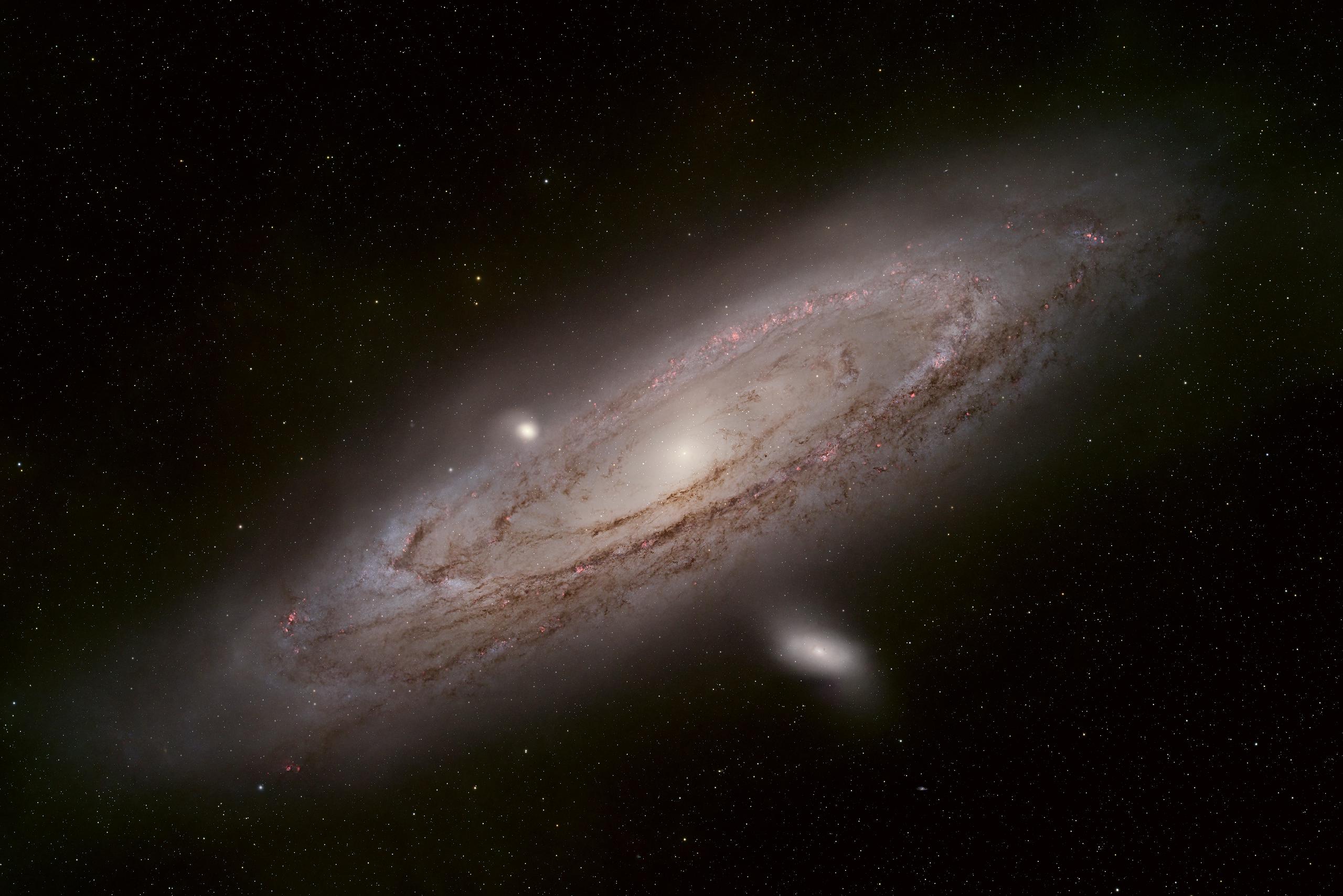
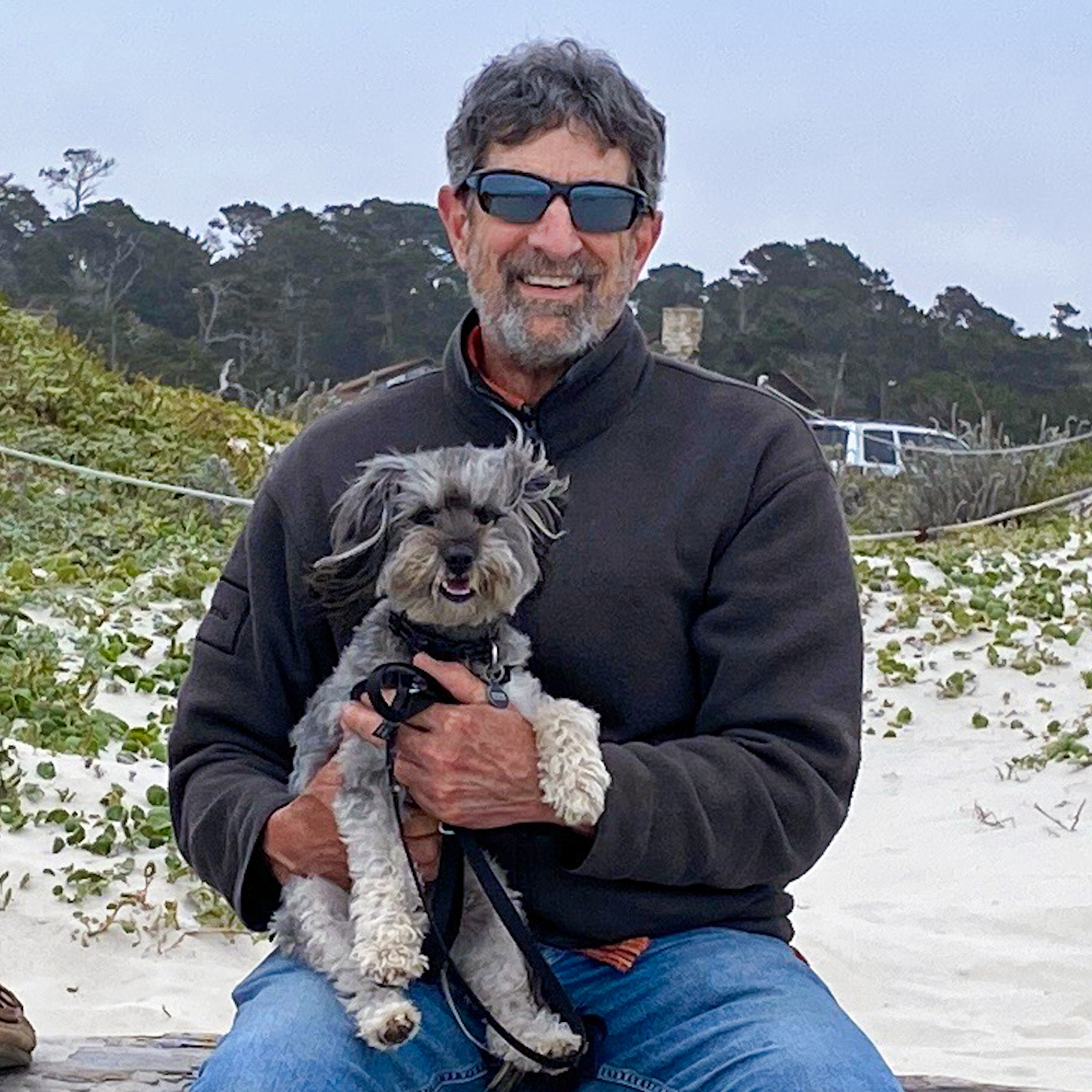
Gary Lopez is a fine-art astrophotographer whose work blends scientific curiosity with cinematic storytelling. Holding a Ph.D. in marine biology, he spent much of his career producing award-winning documentaries and educational media before turning his focus toward the night sky. His deep-sky and wide-field images are crafted with the precision of a scientist and the eye of a filmmaker, resulting in museum-quality prints collected by private, public, and corporate clients. Through his long-standing work in science and art, he continues to advance visual literacy and inspire audiences to see the natural world - from oceans to galaxies- with renewed wonder.
Ph.D. Marine Biologist
Documentary Filmmaker & Producer (40+ films)
Founder of Archipelago Productions & The NROC Project
Fine-Art Astrophotographer (international awards)
“ For me, astrophotography is a medium for revealing the beauty and drama that is captured in the ancient light of the cosmos. In making my photographs, I use the classic approaches of fine art photography, including composition, color, line, depth, and texture to create images that have emotional impact. I strive to create visual experiences that evoke a sense of familiarity and connection, and offer the viewer a portal to a deeper level . . . a window to see and feel their connection to the Universe. “
— Gary Lopez,《The New Art of Astrophotography》
-
In 2017 I decided to build an observatory and dive deeply into astrophotography. The first telescope that I purchased was a William Optics GT71 for widefield work. As I was assembling the rig for the first time, I discovered to my dismay that the screws for attaching the guide scope to the WO GT71 did not fit. I called William Optics for advice and to my surprise William took my phone call. He was genuinely interested and committed to solving my delima, and a few days later a package arrived with screws that fit the WO GT71 and my guide scope. I have been a fan of William Optics ever since.
I have been fortunate to have my images be awarded highest honors in international fine art photography contests, and to be included in the collections of museums, corporations, and private collectors in the U.S. and Europe. All those images were created using William Optics telescopes.